
A forest of evergreen notes
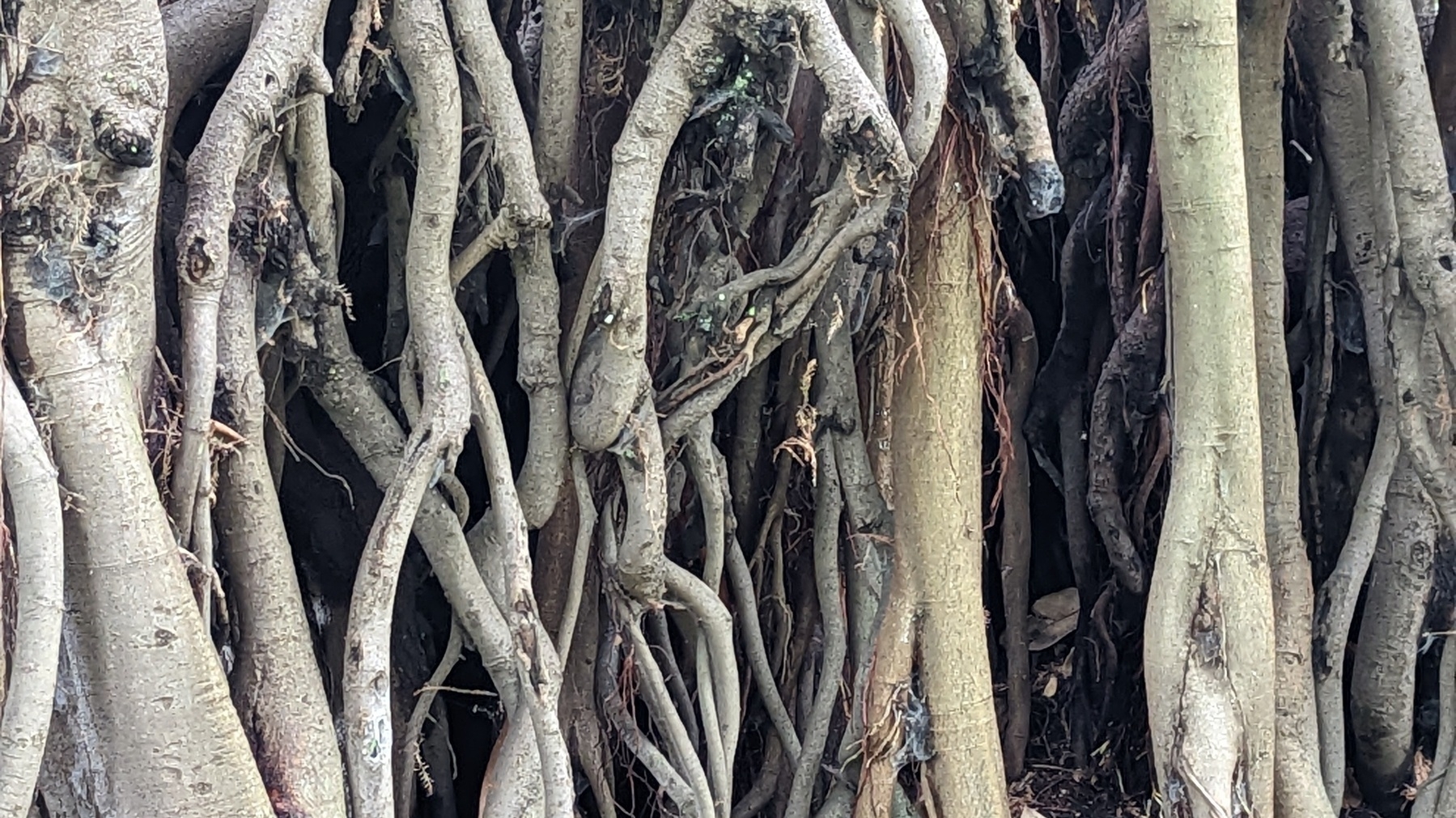
Jon M Sterling, a computer scientist at Cambridge University, has created his own ‘mathematical Zettelkasten’, which he also calls ‘a forest of evergreen notes’.
He maintains a very interesting website, built using a tool he created, named, appropriately enough, Forester.
The implementation of his ideas raises all sorts of ideas and questions for me, almost all enthusiastic. Here are a few in no order at all:
Andy Matuschak coined the term ‘evergreen notes’, which Jon Sterling has further developed with great elegance.
Before seeing Jon Sterling’s site, I had held a simple distinction between the Zettlekasten and the Wiki. I don’t really wish to re-open an old argument, but just want to make a small observation. For me, a Wiki is a public- or semi-public facing product in its own right, a kind of publication, whereas a Zettelkasten is a method or process to produce public-facing artifacts, but it isn’t one of these artifacts itself. But now I wonder whether you can’t do both back-stage and front-stage at the same time. In other words, it looks to me like Jon Sterling is creating a Zettelkasten by my definition (it’s a process to produce public-facing artifacts such as articles and presentations), but he’s working with the garage door open (it’s a kind-of product in its own right). This is an interesting thing to watch, and it’s always fun to experience the mystique of the studio.
https://www.jonmsterling.com/index.xmlJon Sterling
This website is a “forest” created using the Forester tool. I organize my thoughts here on a variety of topics at a granular level; sometimes these thoughts are self-contained, and at times I may organize them into larger notebooks or lecture notes. My nascent ideas about the design of tools for scientific thought are here. I welcome collaboration on any of the topics represented in my forest.
Digital Gardens Let You Cultivate Your Own Little Bit of the Internet
An overview.
A growing number of people are creating individualized, creative sites that eschew the one-size-fits-all look and feel of social media
An overview.
Garden and Stream...
From April 2020
From April 2020
We’ll be discussing and brainstorming ideas related to wikis and the IndieWeb, user interfaces, functionalities, examples of wikis and how they differ from blogs and other social media interfaces, and everyones’ ideas surrounding these. Bring your ideas and let’s discuss.
Maggie Appleton has collected all the main ideas of "digital gardening", a chronology of the term's usage, good pointers about how to get started for both technical and non-technical readers, and a rich set of hyperlinks that basically makes it redundant to collect these again here.
- Digital Gardening (topics page)
- A brief history and ethos of the digital garden
- Digital Gardening for Non-Technical Folks
- Digital Gardeners - Github site
A garden is a collection of evolving ideas that aren't strictly organised by their publication date. They're inherently exploratory – notes are linked through contextual associations. They aren't refined or complete - notes are published as half-finished thoughts that will grow and evolve over time. They're less rigid, less performative, and less perfect than the personal websites we're used to seeing.
- Digital Gardening (topics page)
- A brief history and ethos of the digital garden
- Digital Gardening for Non-Technical Folks
- Digital Gardeners - Github site
Digital Garden Terms of Service
This is my attempt to explicitly define a not-legally-binding “terms of service” for people who peruse Digital Gardens, and the people who Learn in Public with them.